There are cities that are admired for their architecture. There are those that you go to in search of history, culture or gastronomy. And there are cities where you simply want to stay longer, because there is something difficult to explain about them – a special atmosphere that makes you take your time, observe, enjoy and create. Riga belongs to the latter.
Maybe it's the proximity of the Daugava River, maybe the cobbled streets of the old town, maybe the facades of Art Nouveau buildings that resemble artists' fantasies. But maybe it's the city's history, where the paths of different peoples, cultures, and artistic movements have crossed for centuries.
Riga has never been just a place to live and work. It has always been a place to meet, talk, be inspired and create. And if you are looking for a place to live and work today, master classes in Riga, perhaps you are actually looking for exactly this feeling – a chance to get out of your daily routine for a few hours and become part of the city's creative life.
Little Paris by the Daugava River – where did this name come from?
Riga is often called the Little Paris of the North. This designation is not accidental, and it is not only associated with beautiful buildings or wide boulevards. It is based on an entire era in which Riga experienced a flourishing of culture, social life, and urban elegance.
This image was especially vividly manifested in the 1920s and 1930s. After the founding of the Latvian state, Riga became the capital of the new state and the center of its public life. The city had theaters, an opera house, concert halls, art galleries, restaurants and cafes. Writers, artists, musicians, businessmen and prominent people gathered here.
Evenings in Riga could continue long after sunset. Cafes would host discussions about art and politics, theaters would present new plays, and dance halls would play popular music of the time. The city was filled with the hustle and bustle, fashion, elegance, and a certain bohemia typical of European metropolises.
It was this lifestyle, active cultural life and cosmopolitan atmosphere that allowed Riga to be compared to Paris. It wasn't just the architectural similarity – it was the feeling that the city lives in art, culture and the joy of meeting people.
And if you think about it, isn't the true value of a city precisely in what people create in it?
Riga has not lost this character. Eras, generations and forms of entertainment have changed, but interest in art, creativity and cultural adventures remains one of the city's most essential characteristics.
A city whose streets are like an art gallery
To see the artistic character of Riga, you don't necessarily need to buy a museum ticket. Sometimes a leisurely stroll through the city center is enough.
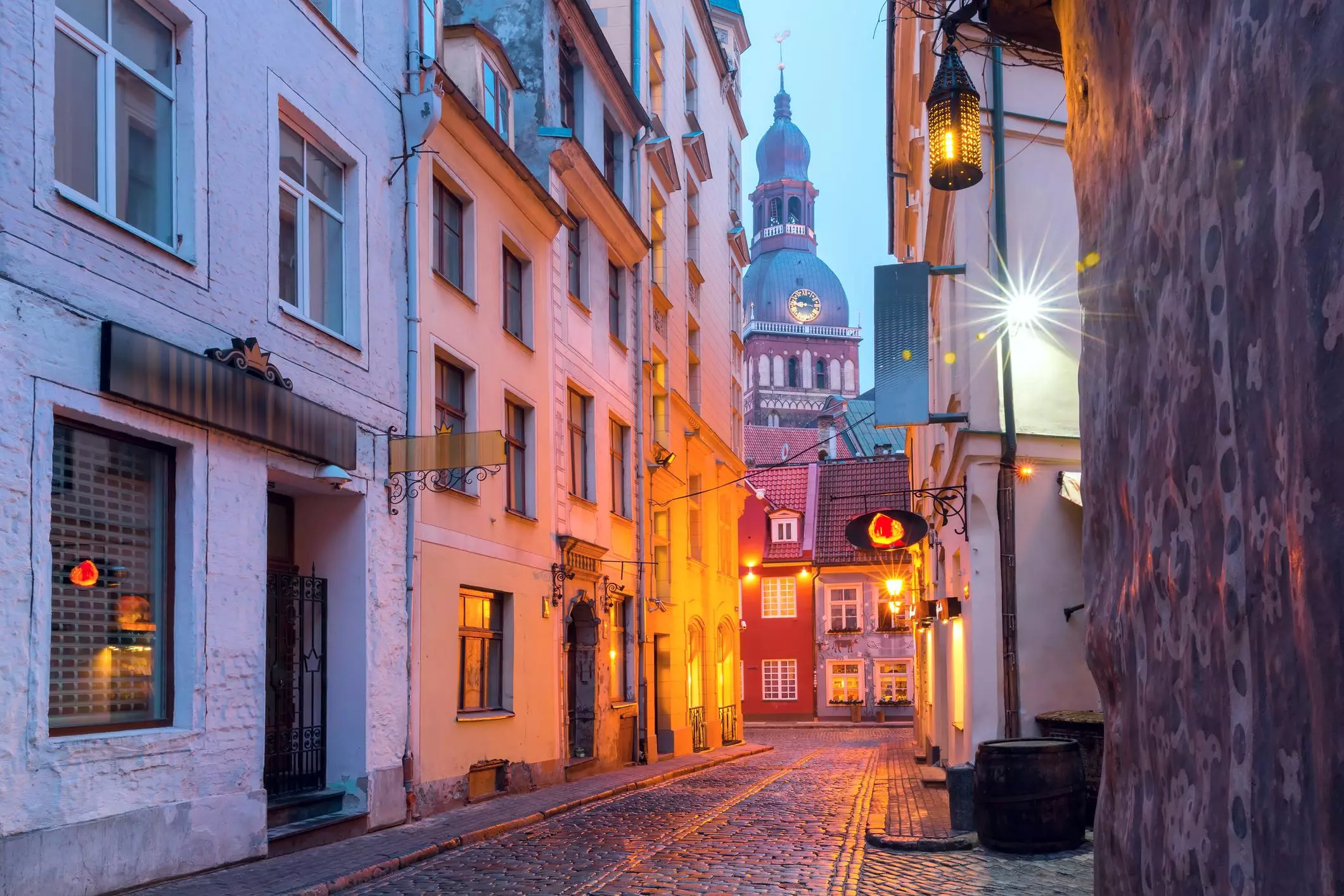
The so-called Quiet Center is particularly striking. Alberta, Elizabetes, Strēlnieku and Antonijas streets preserve one of the most remarkable Art Nouveau architectural legacies in Europe.
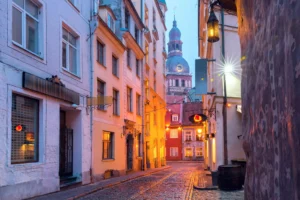

Here, buildings are not just buildings. They are carefully crafted compositions in which architects have used sculpture, ornaments, symbols and unusual shapes. On the facades you can see women's faces, mythical figures, animals, plants and complex decorative motifs. Sometimes it seems that each house is trying to outdo the one next to it with its own imagination.
The buildings on Alberta Street designed by architect Mikhail Eisenstein stand out in particular. Their ornate facades have become one of Riga's most recognizable symbols.
The rise of Art Nouveau in Riga coincided with the city's rapid economic and industrial development in the late 19th and early 20th centuries. The city grew, new houses were built, education and social life developed. Architects sought new forms of expression, and Riga became one of the most important centers of this style in Europe.
- In 2011, the historic center of Riga was included in the UNESCO World Heritage List. UNESCO particularly highlights the excellence and diversity of Riga's Art Nouveau buildings.
But the beauty of Riga is not limited to its luxurious facades. It is also in the staircases of old houses, the patterns of metal railings, wooden doors, the silence of courtyards, the texture of the pavement, and the reflections of light on the walls of buildings.
An artist can see the color palette, composition, and texture in these details. A person who doesn't do art in their daily lives can simply sense that there's something special here.
Maybe that's why Riga is such a grateful city for creative pursuits – it offers inspiration every day.
From artist workshops to contemporary master classes in Riga
The history of Riga's art is not just a story of architecture. It is also the history of painters, graphic artists, sculptors, photographers and other creative people.
- At the end of the 19th century and the beginning of the 20th century, Latvian art experienced a significant stage of development. Artists increasingly actively sought their own national and personal style, while at the same time following European artistic trends. Riga became a place where academic traditions and new artistic pursuits met.
Later, with the establishment of the Latvian Academy of Arts in 1919, the development of professional art education gained a new institutional foundation. An increasingly rich artistic environment emerged in the city, where exhibitions, artists' associations, and various creative initiatives coexisted alongside professional education.
Art has always been a part of both professionals and society. Not everyone becomes a painter, but that doesn't mean everyone doesn't have the right to paint.
It is this idea that has become the basis for many creative workshops and painting master classes today.
In the past, a person who wanted to learn painting often had to seek out an art school or long-term training programs. Today, it is also possible to choose a much more relaxed format – one evening, weekend or regular classes, where, under the guidance of a professional instructor, you can learn the basics of painting and create your own work.
And the most interesting thing is that you don't need to be an artist to get started.
Masterclasses in Riga – an opportunity to create, not just watch
Nowadays, people are increasingly looking for experiences that provide something more than the usual entertainment. Evenings at restaurants, cinemas and shopping malls have become everyday life. However, creative pursuits offer a completely different feeling – the opportunity to not just consume, but to create something yourself.
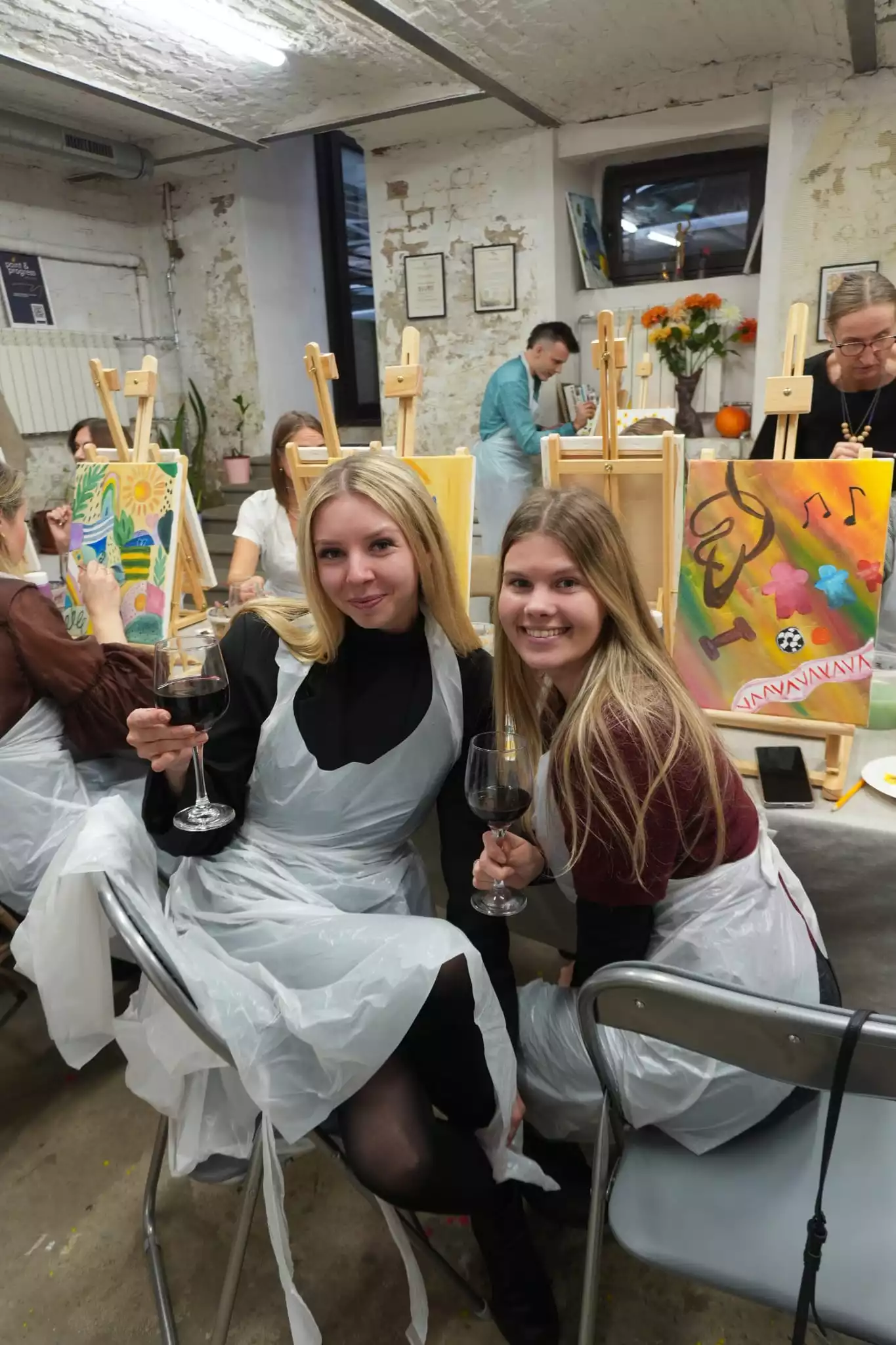
That's why master classes in Riga is an interesting choice for both individual relaxation and meetings with friends, family or colleagues.
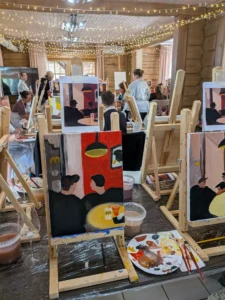
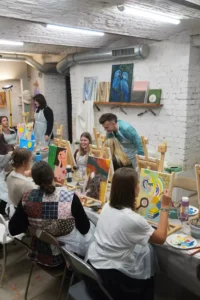
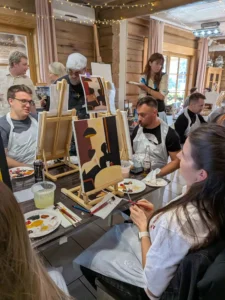
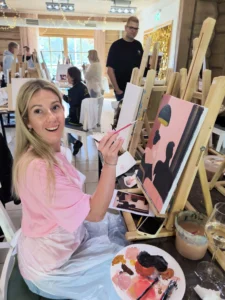
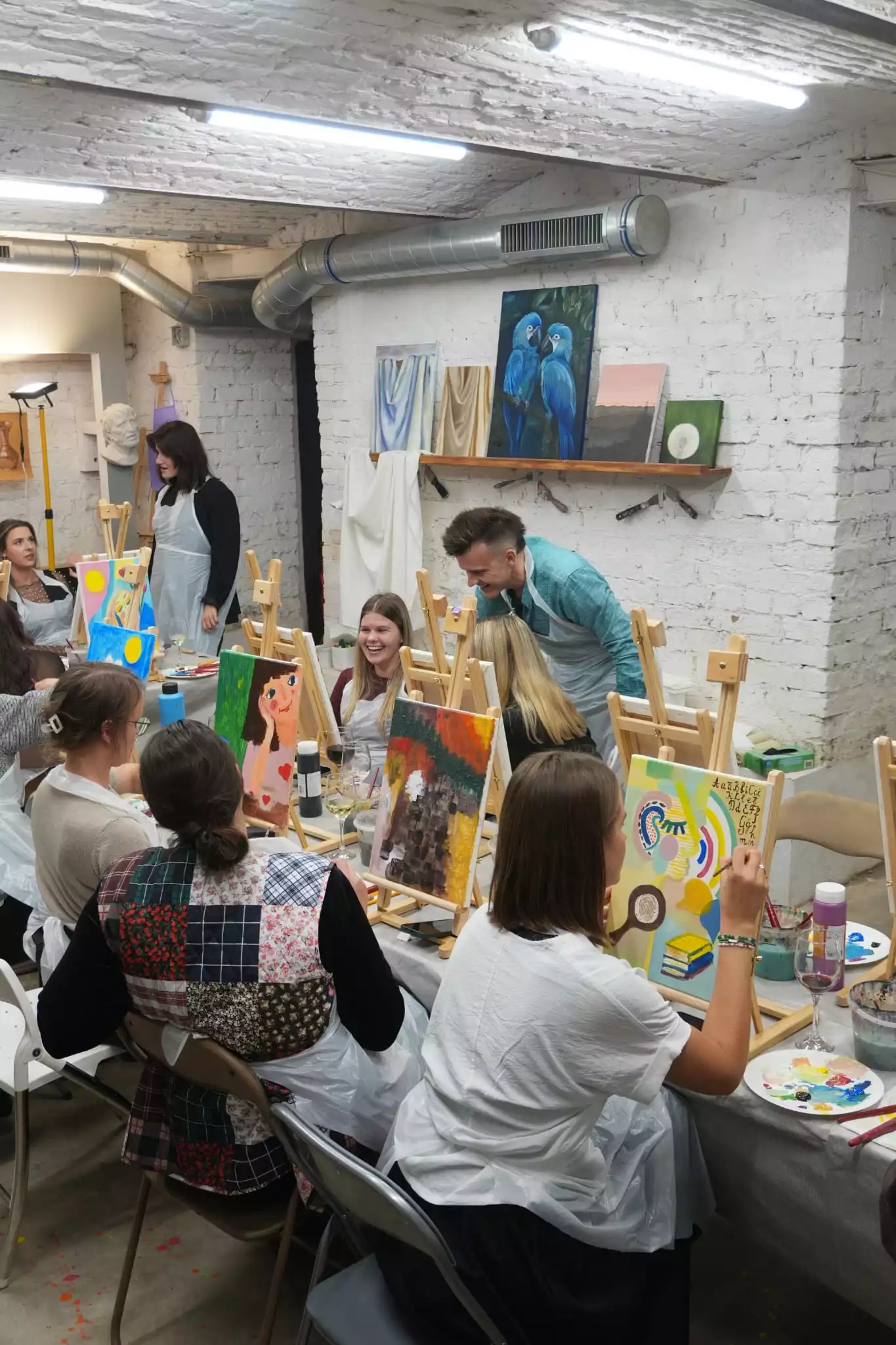
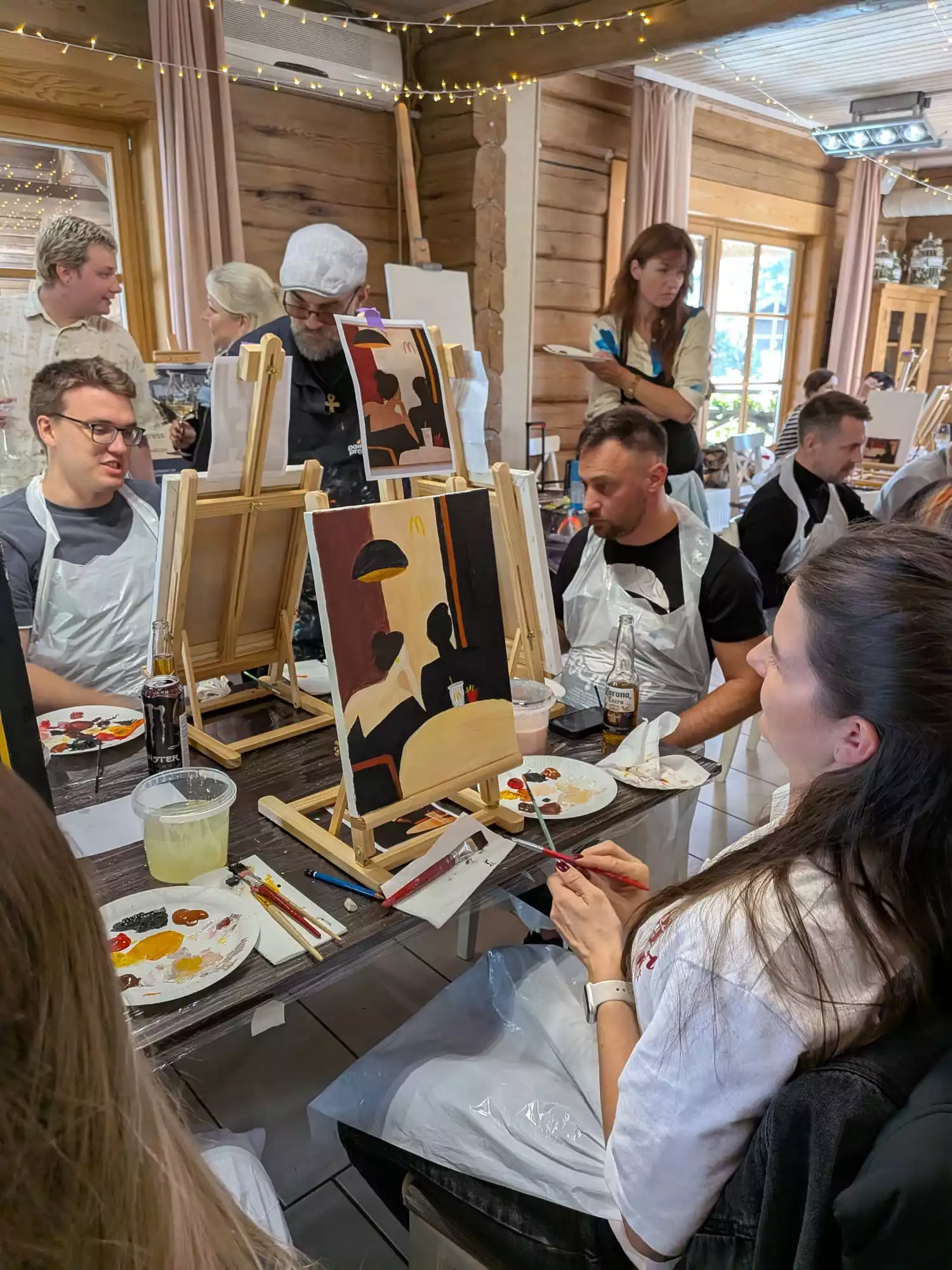
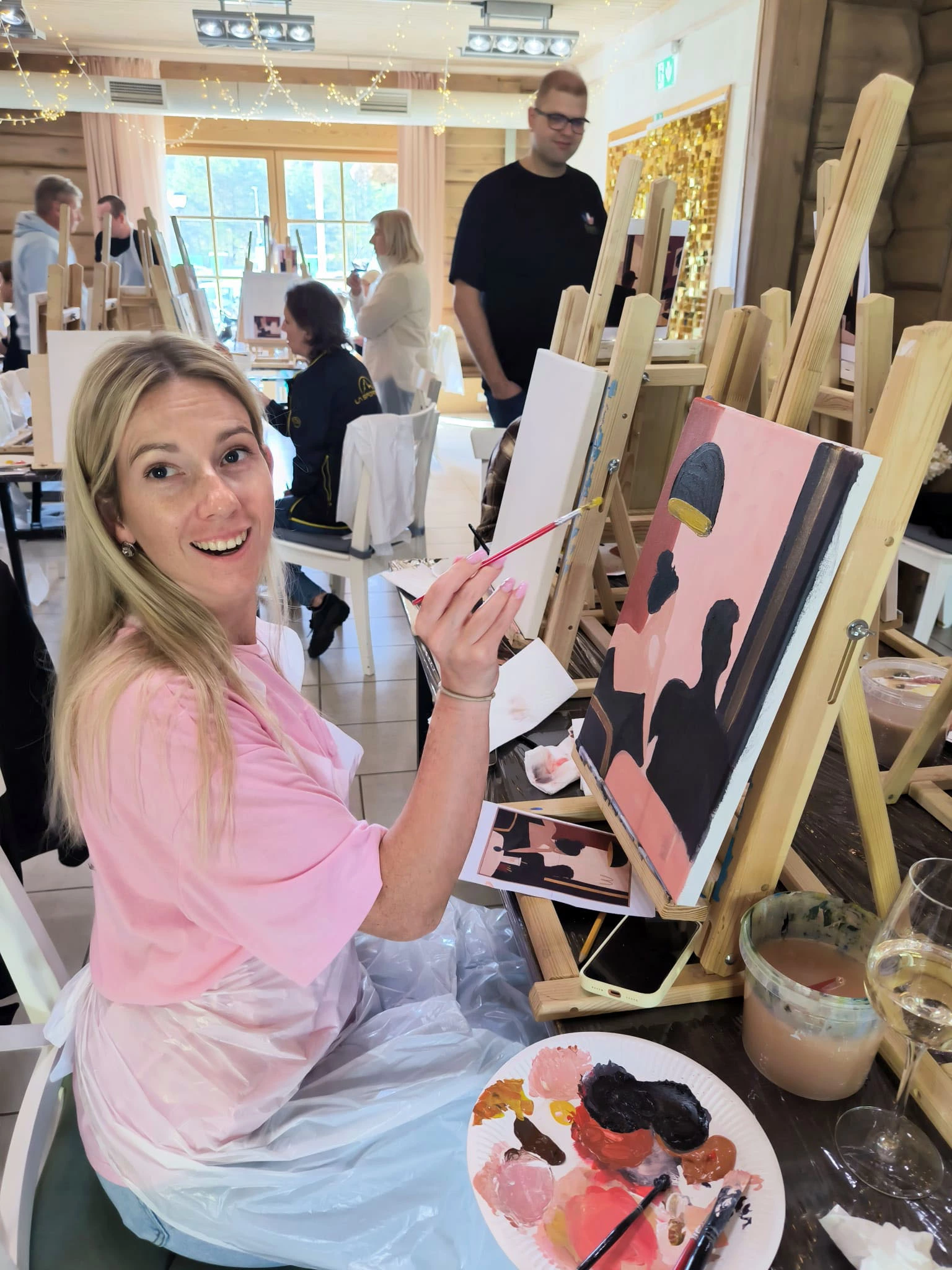
The painting master class is also suitable for people who have never held a brush in their hands before. The instructor helps step by step, introduces colors, composition, and painting techniques. All that is left for the participant is to surrender to the process and not be afraid to experiment.
And it doesn't matter whether the result is a realistic landscape, a colorful abstract work, or a completely unusual composition. The most important thing is that the painting is your own creation.
Such classes can also be a great opportunity to discover something new in yourself. Many people only realize how much they love working with colors, how exciting it is to find their own composition, and how enjoyable it can be to focus on one creative task only when they are at the easel.
Sometimes three hours on the canvas go by faster than one hour on the phone.
A creative date, a night out with friends, or a shared art adventure
Not all master classes are the same. Some people like to paint individually, others like to paint with friends, and still others are looking for an unusual way to spend an evening together.
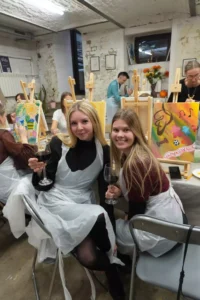
A painting master class can become a romantic date, a birthday surprise, a gathering of friends, or a small festive event for no particular reason.
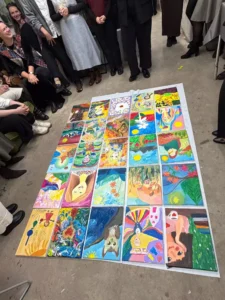
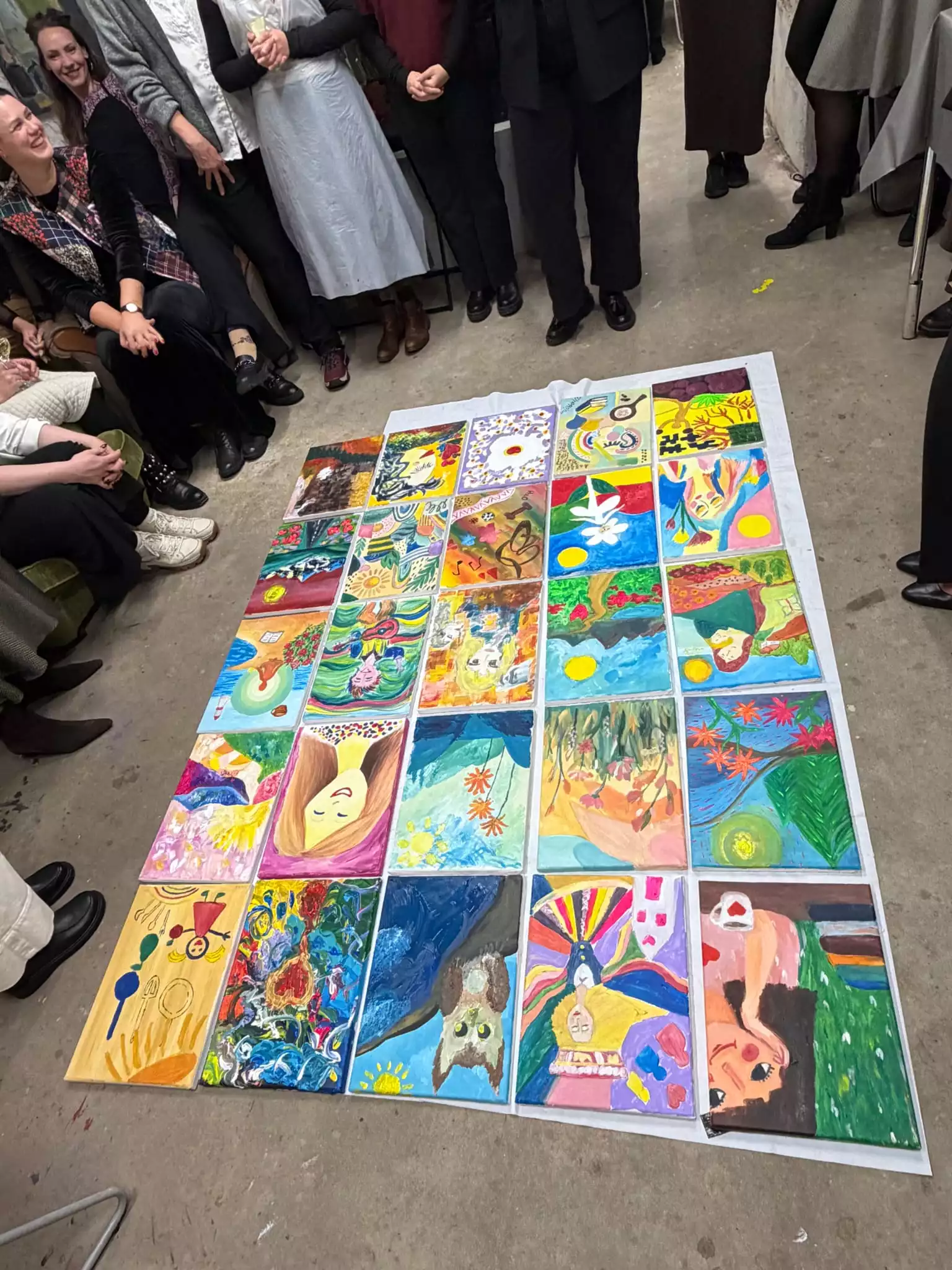
A particularly interesting format is a collaborative painting, in which several people create one work of art. Each participant creates their own part, but in the end the individual fragments come together into a single composition. It is not only a creative exercise, but also a way to experience a shared result.
For companies, painting workshops can be an alternative to traditional team building events. There is no competition or athletic ability required. Everyone can participate at their own pace, but the shared process creates conversation topics and memories that last long after the event.
A creative activity allows people to meet in a different role – not as colleagues or performers of daily duties, but as people with ideas, imagination, and a desire to try something new.
Paint & Progress – painting master classes in the creative environment of Riga
Riga's artistic life continues to develop, and alongside galleries, museums, and art education institutions, the city also has creative studios that make art accessible to the wider public.
One of them is the Paint & Progress art studio in Riga.
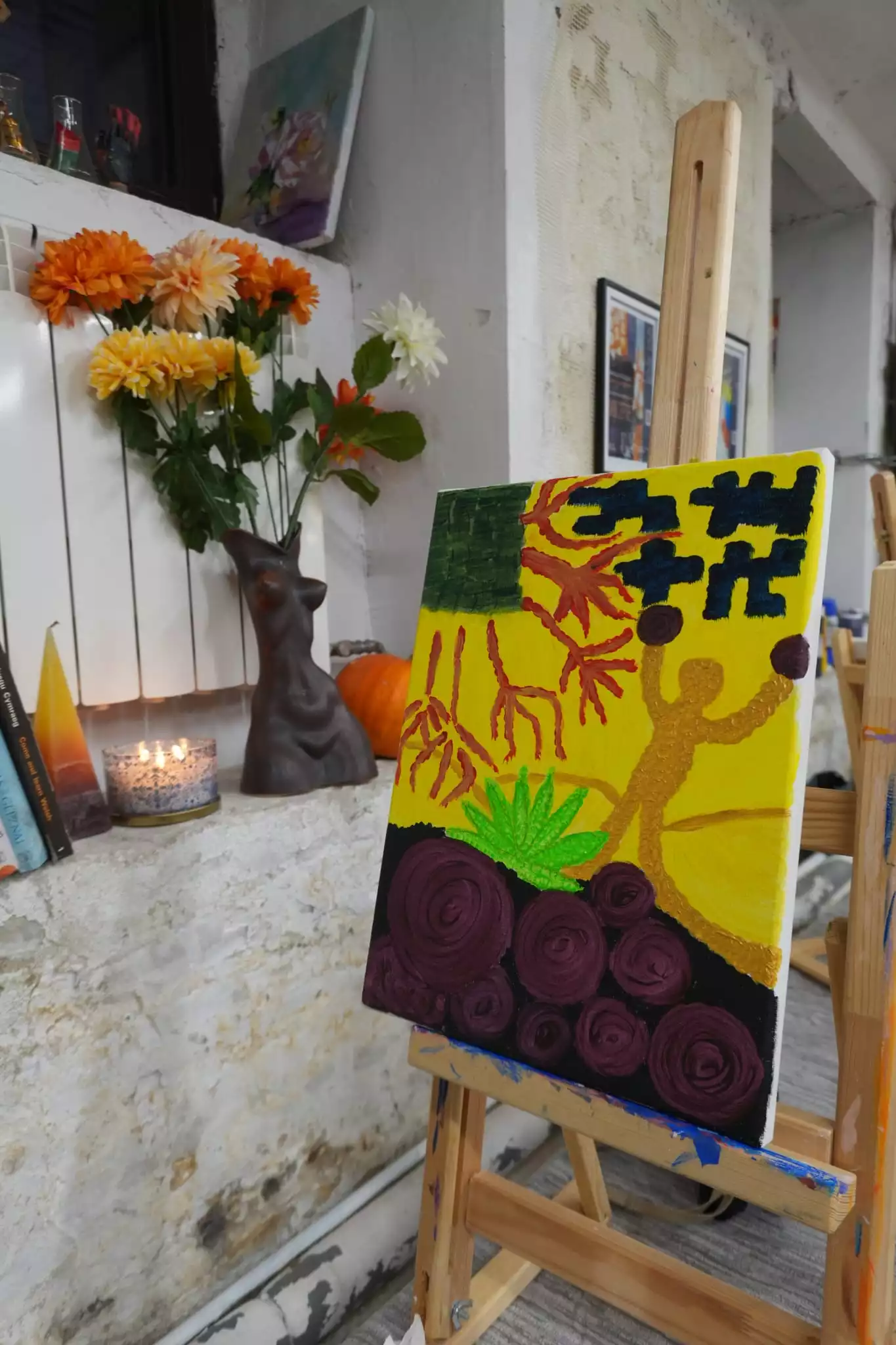
The idea of the studio is simple – painting is not just for professional artists. It can be an opportunity for anyone to discover creativity, relax, and create something lasting.
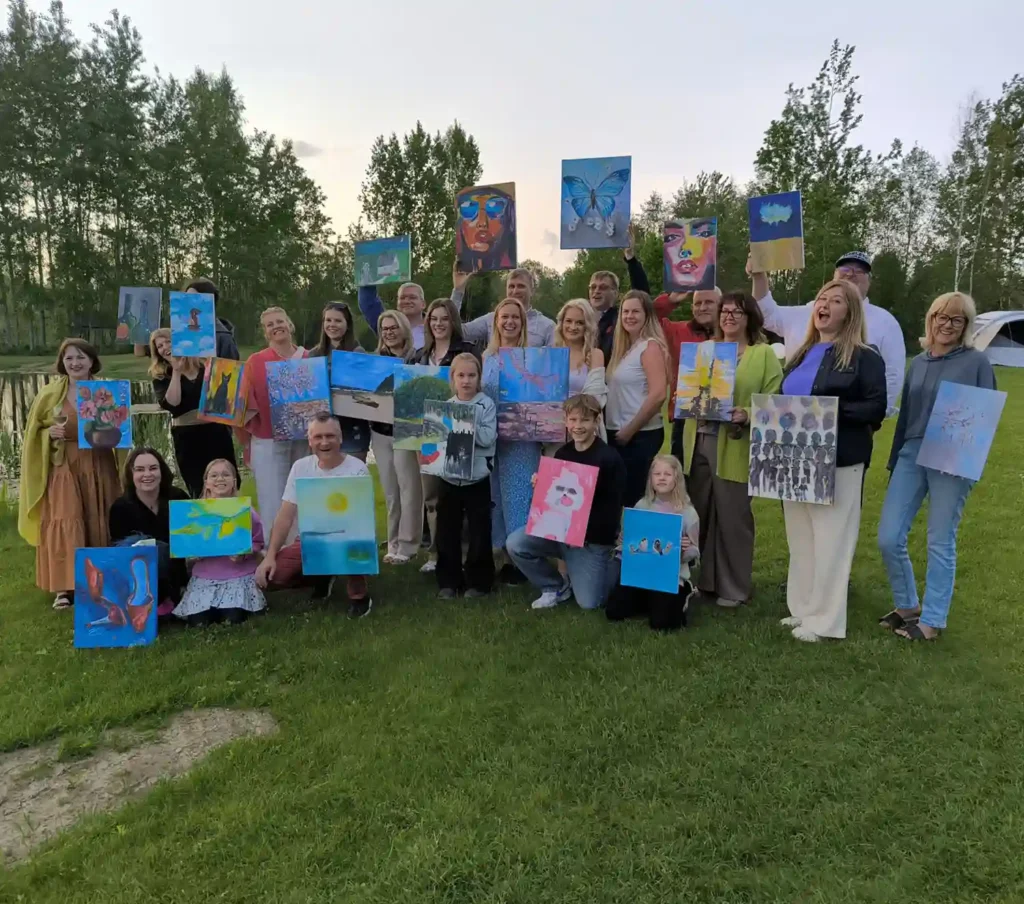
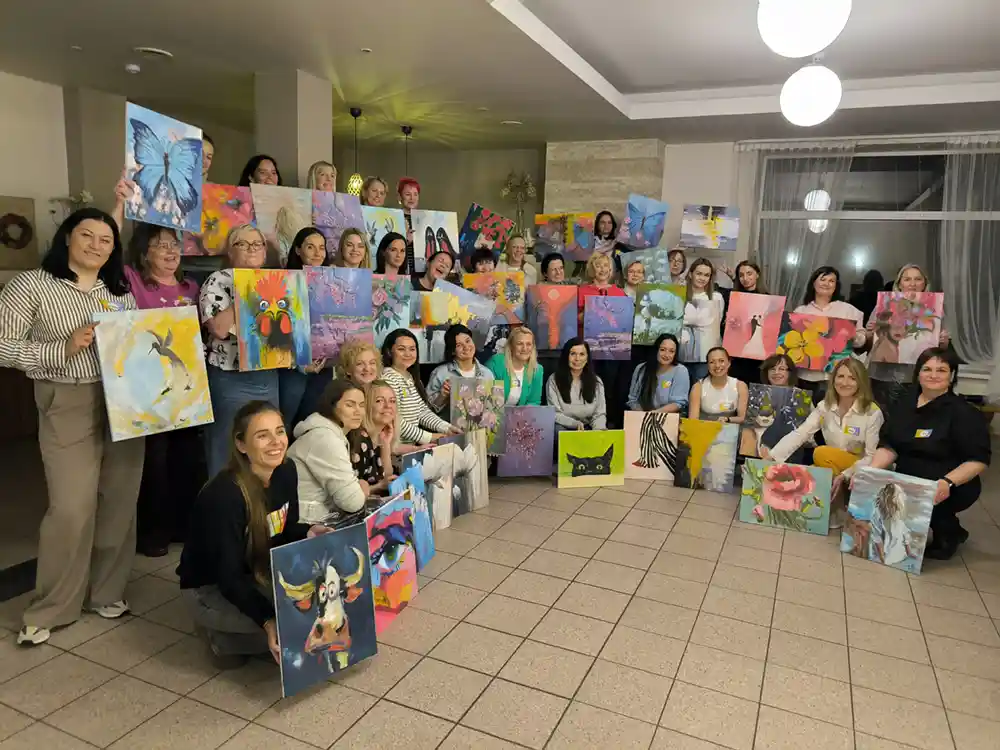
Paint & Progress organizes painting master classes for adults and children, individual lessons, creative evenings, events for couples, and corporate master classes.
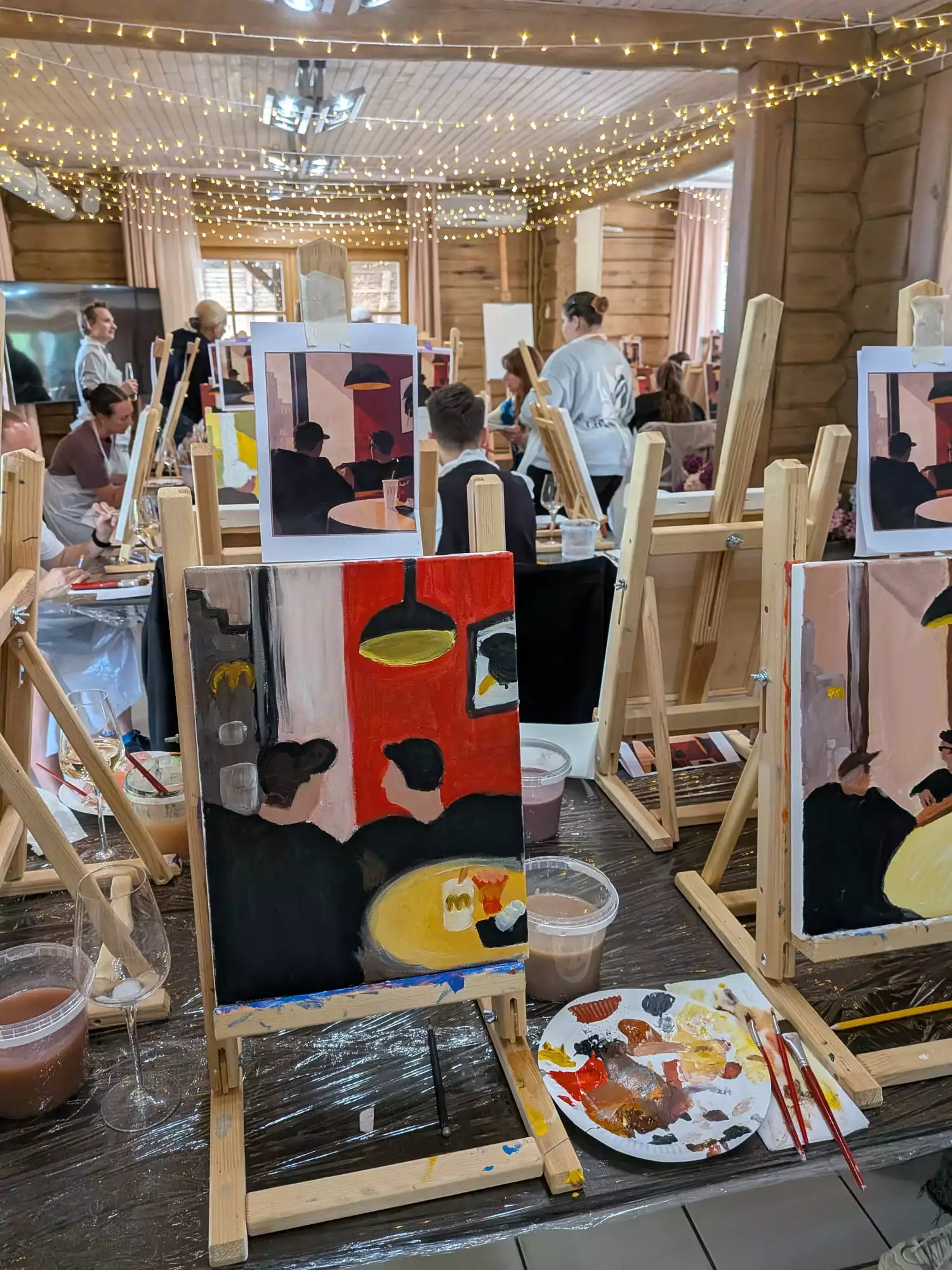
Classes usually last approximately 2.5–3 hours. During this time, participants learn the painting process and create their own artwork step by step under the guidance of a professional instructor.
The studio has all the necessary materials available – canvas, paints and brushes. Participants do not need to worry about prior preparation or special equipment. All they have to do is choose the master class they are interested in and come with a desire to create.
What can you experience at Paint & Progress?
- Painting master classes for adults – the opportunity to learn the basics of painting and create your own painting regardless of previous experience.
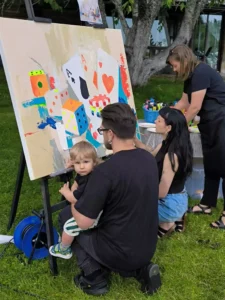
- Children's painting classes – a creative environment where children can explore colors, shapes, and develop their imagination.
- A creative date for two – an unusual evening with your significant other, creating artwork and enjoying being together.
- Private master classes – events for groups of friends and special occasions.
- Corporate master classes – a creative alternative to traditional business networking events.
The studio's doors are open to both those who want to try painting for the first time and those who want to regularly improve their skills and develop their artistic style.
You can find out more about the offer here. Paint & Progress in the masterclass section.
Riga continues its art story – add yours to it!
Perhaps Riga was once compared to Paris because of its cafes, theaters, artists, and bohemian atmosphere. Perhaps it was done by observing the city’s architecture and the lifestyle of its residents. But one thing is clear – art has always been an essential part of Riga’s identity.
Today, this story continues differently. Art is no longer just the world of galleries, academies, and professional artists. It has become more accessible to anyone who wants to try, create, and experience.
So the next time you're thinking about what to do in Riga, consider attending one of the painting workshops. You might discover a new passion, meet interesting people, or simply spend a few hours in a different, more colorful rhythm.
Because the city where art was once the reason for calling it Little Paris still deserves to have its creative spirit live on.
And maybe the next beautiful work of art that will complement this story will be yours.
Paint & Progress – a place where art isn't just for enjoying. You can create it yourself.
Check out painting master classes in Riga and choose your own creative adventure!
Historical sources used in the article:
- UNESCO – Historic Center of Riga – Riga's historic center, the Hanseatic League and Art Nouveau architecture.
- Riga Art Nouveau Center – the development of Art Nouveau and the contribution of Riga architects.
- A scientific study of the art life of Riga in 1901 – the role of art in the city's public life.
- The history of the image of Riga's Little Paris – cultural life, fashion and European lifestyle of the interwar period.
- Latvian cultural life in Riga.