Admission to an art school, especially the Painting Department, is a process that assesses not only the applicant's creative spark, but primarily their academic preparation. The examination committee is looking for evidence that the prospective student has mastered the classical foundations: composition, proportions, light and shadow, and color theory.
To reach the required level, it is important to train purposefully. Here are the main tasks and methodology that will help you prepare for the high bar of the entrance exams.
1. Classical Still Life: Analysis of Textures and Light
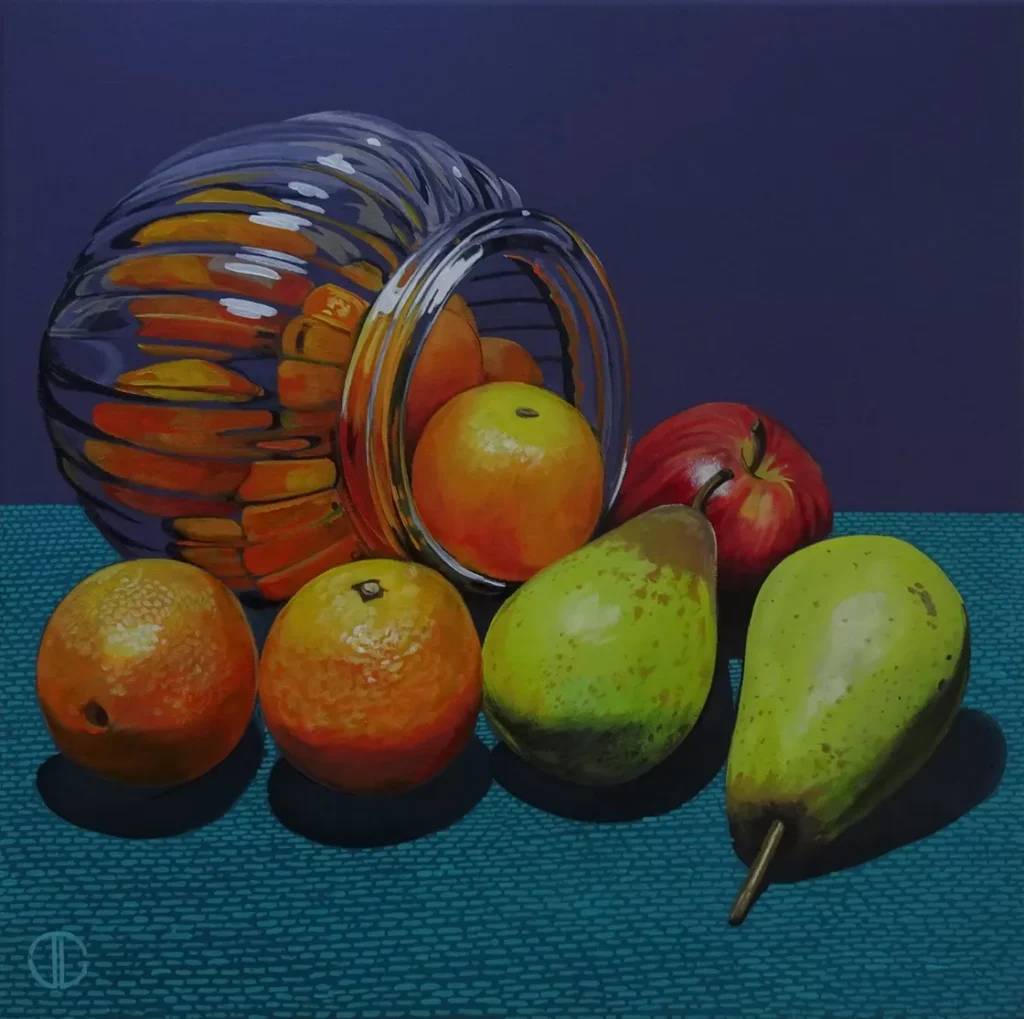
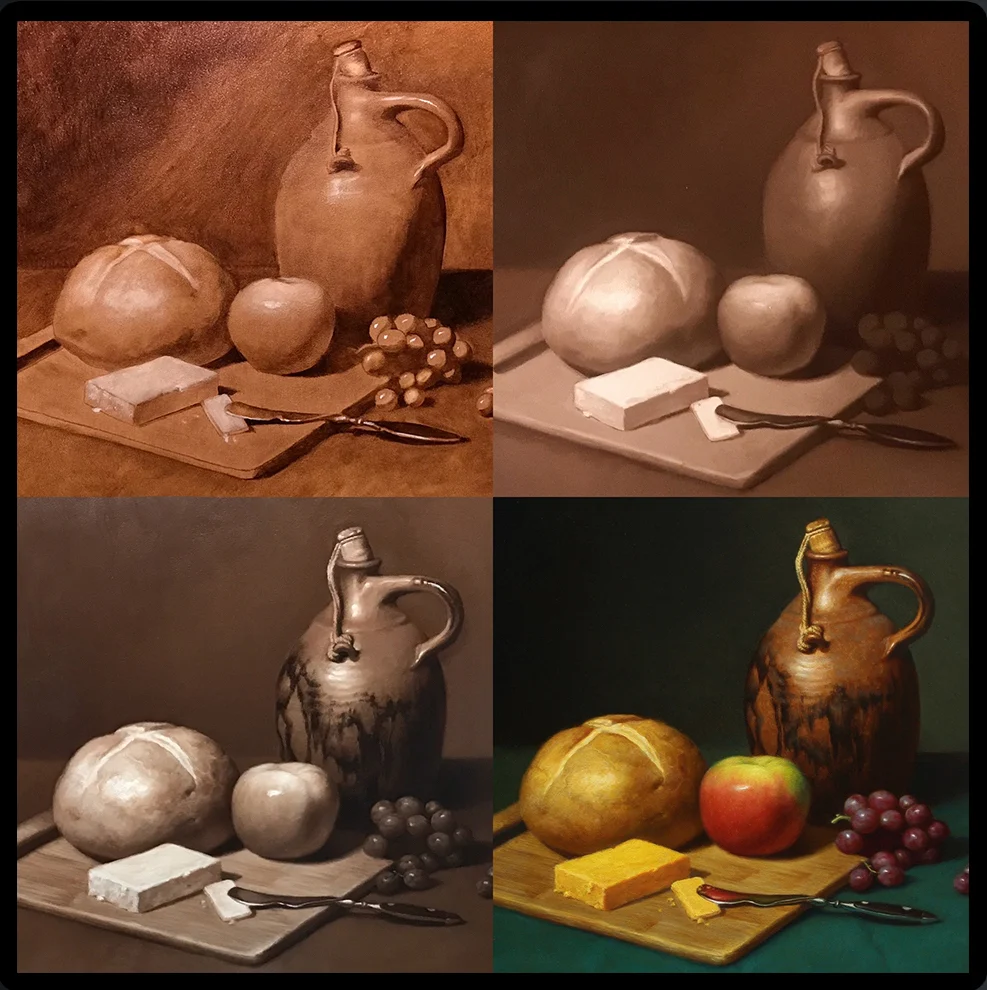
Still life is a cornerstone of all entrance exams. It allows the committee to understand how you perceive the material nature of space and objects.
Practical task:
Set up a composition that includes at least four objects with dramatically different textures. For example:
Metal: Polished teapot or mug (reflections, sharp points of light).
Glass: A transparent bottle or glass (refraction of light, transparency).
Ceramics: Frosted vase or clay pot (soft light transitions).
Organics: Fruits or vegetables (vivid, saturated colors).
Drapery: Two fabrics of different shades – one light, the other dark.
What to pay attention to:
The biggest mistake in painting a still life is to treat each subject as a separate entity. Instead, focus on the reflections of color. The blue drapery will leave a tonal reflection on the side of the metal cup; the apple will cast a colorful shadow on the light background. This unified environment is what art teachers call “painterly vision.”.
2. Tonal Painting: Creating Form Without Color
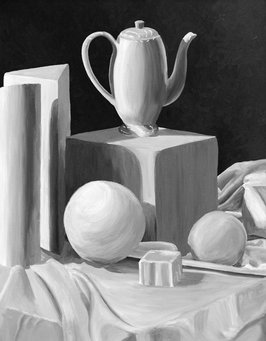
Many aspiring artists make the mistake of trying to “rescue” a work with bright colors, when the problem is rooted in incorrect tonal relationships. If the tone (how light or dark an area is) is inaccurate, the painting will look flat.
Practical task:
A still life study is done in monochrome technique. Only three colors are used: ochre (or umber), white, and black.
Purpose:
This exercise forces you to see the hierarchy of light and shadow. You need to find:
The brightest places (accents).
Light squares.
Halftones.
Self-esteem.
Falling shadows (which are usually the wettest and darkest).
3. Portrait and anatomical construction
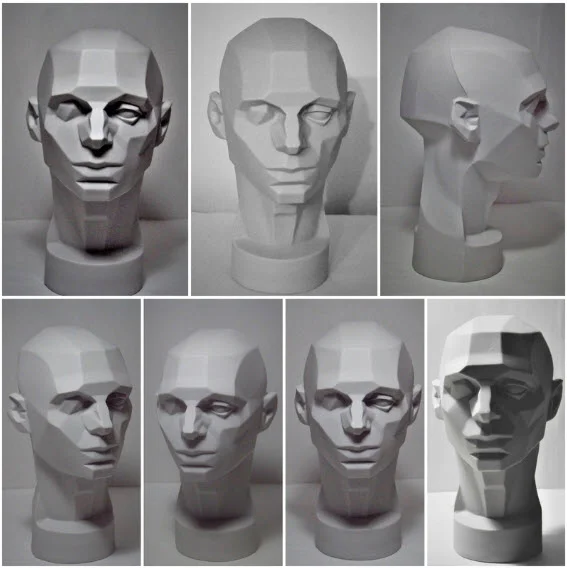
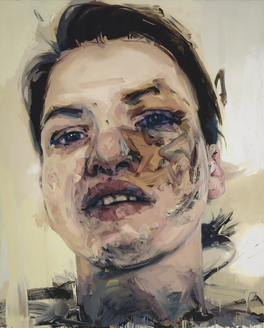
The study of the human head is one of the most complex disciplines. The entrance exams do not assess resemblance as in photography, but rather an understanding of the structure of the skull and the planes of the face.
Practical task:
Paint the portrait in side lighting. This will help you see the “construction” more clearly.
Key principles:
The big picture: Don't jump straight to the details of the eyelashes or pupils. Outline the main planes of the head: the frontal part of the forehead, the lateral planes of the cheeks, the lower plane of the nose, and the jawline.
Shoulder girdle: The head should not hang in the air. It should sit organically on the neck, and the shoulder girdle should support the composition.
Stroke: Try to stroke “follow the shape.” If you are painting the forehead, the stroke should be horizontal; if you are painting the cheek, the stroke should lead the eye along the curve of the face.
4. Basics of composition and frame selection
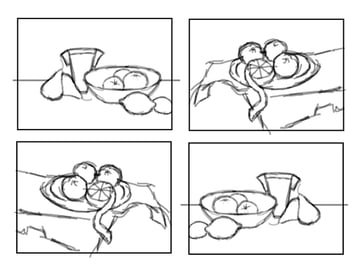
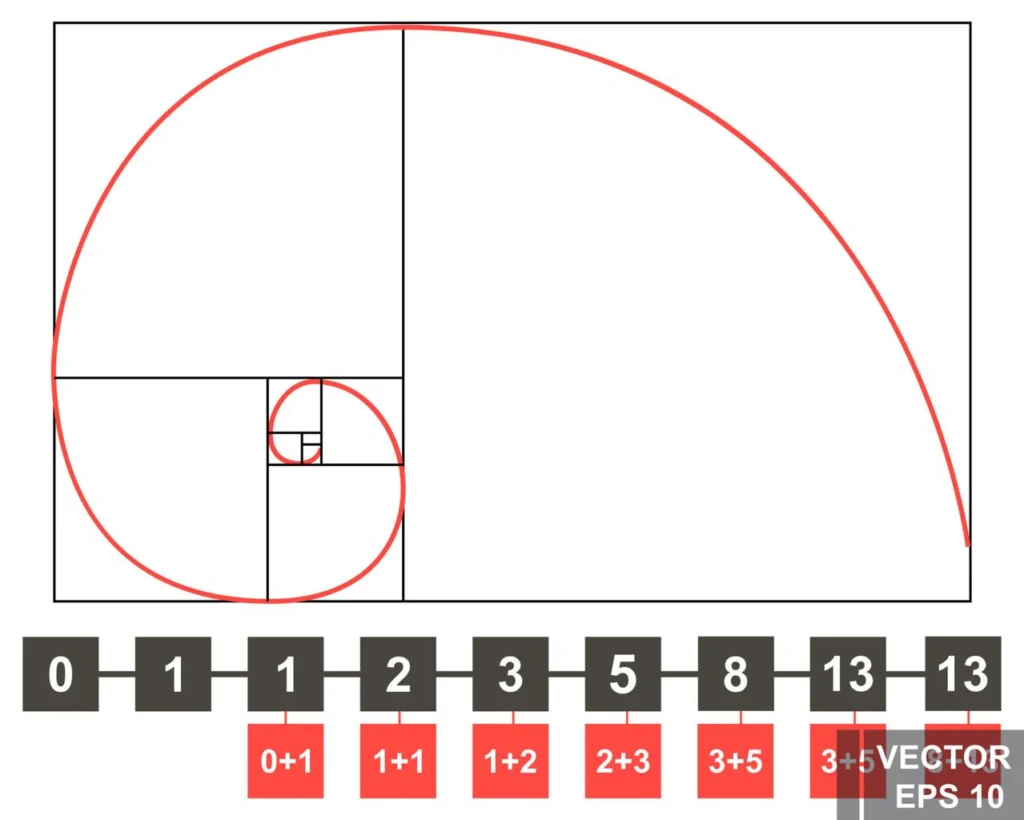
Poor composition can ruin even a technically excellent piece of work. The first 15 minutes at the beginning of the exam should be devoted solely to planning.
Exercise:
Before starting work on the canvas, draw at least five small “thumbnail” sketches (approximately 5×8 cm).
Try a vertical shot as opposed to a horizontal one.
Use the “Golden Ratio” rule: do not place the main object in the very center.
Check the “negative spaces” – what do the spaces between objects look like? Are they interesting?
5. Dynamics: Quick Color Sketches
In exams, stress and time constraints (usually 3-4 hours per assignment) are a big factor. The ability to quickly “read” a color mood and apply it to a base needs to be practiced daily.
Practical task:
Do 30-minute sketches. Take a small format (such as A4 cardboard) and set up a simple object – a breakfast plate, a pair of shoes, or even a folded sweater.
What does it give?
It trains courage. You don't have time to hesitate or try to "skip" the details. You have to find the main color ratio and its mood. Such sketches are an excellent addition to your portfolio, showing your ability to work expressively and quickly.
6. Material technology: Oil vs. Acrylic
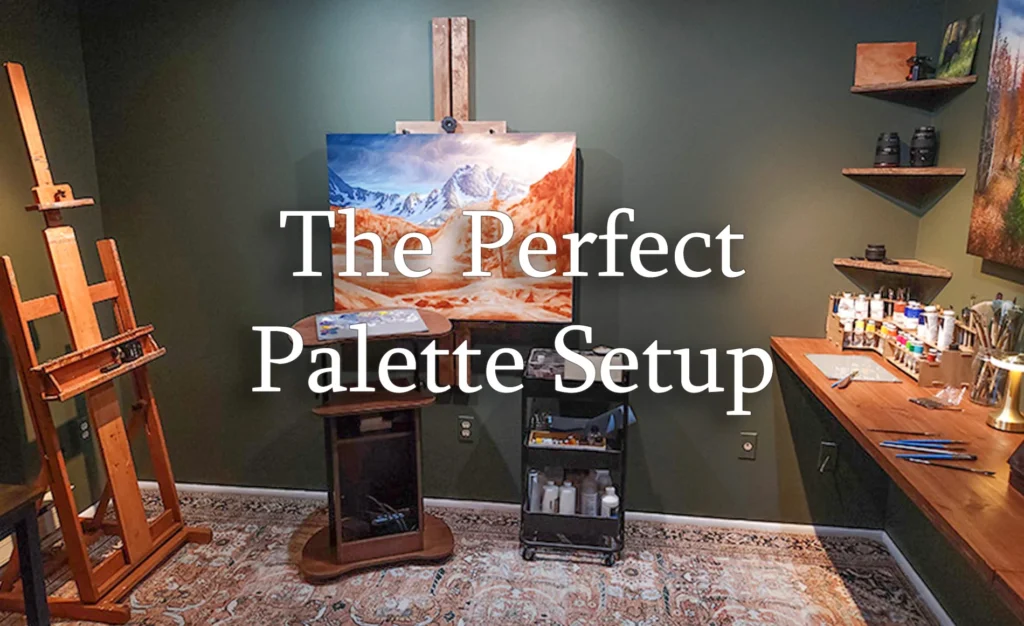
Although many schools allow both, oil paints are still highly valued in academia due to their specific properties – they dry more slowly, allowing for soft transitions (blending) and layering.
Tips for choosing materials:
Brushes: Purchase quality bristle and synthetic brushes in a variety of sizes. Wide, flat brushes will help in the beginning stages, finer ones in the final stages.
Base: Don't experiment with a new, untested base on the day of the exam. It's better to prepare a canvas or cardboard that you've already tried out during the training process.
Palette: Keep your palette clean. Dirty paints on your palette will inevitably lead to “mud” in your painting.
In conclusion: Psychological preparation
The entrance exams to an art academy or school are a test of endurance. The committee looks not only at your technique, but also at your ability to progress as you work.
At Paint & Progress, we integrate these tasks into our daily work. We believe that a methodical approach and regular training in an inspiring environment is the best way to overcome insecurity. Sometimes a few targeted sessions or a consultation are enough to understand your weaknesses and eliminate them.
Although many institutions offer preparation courses, the most important thing is your self-discipline and desire to create. Use these assignments, work on your portfolio, and go into the exams with confidence in your skills.
View all available painting and drawing classes at Paint&Progress studio