Contrast is one of the most important elements in painting. It is contrast that helps the viewer perceive light, space, and form. If a painting lacks contrast, it often looks flat and lifeless.
For both beginners and experienced artists, training your sense of contrast is an essential part of painting practice. In this article, we will look at simple and effective exercises that help develop your perception of contrast.
What is contrast in painting?
In painting, contrast means difference between elements, which makes the image clearer and more expressive.
The most common types of contrast are:
- tonal contrast (light versus dark)
- color contrast
- complementary color contrast
- contrast of warm and cold colors
- shape contrast
The better an artist is able to use contrast, the stronger the composition becomes.
1. Tonal contrast – light and shadow
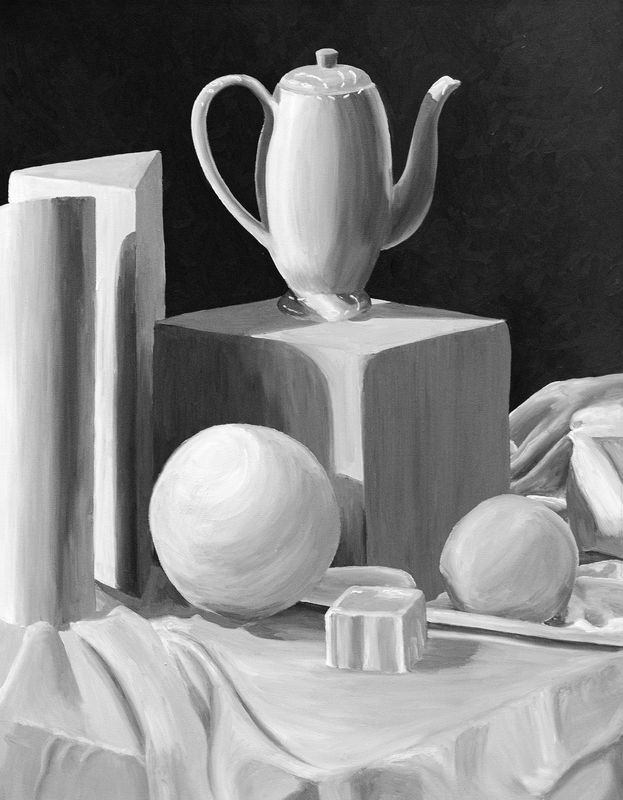
One of the most classic exercises in painting is black and white still life.
Task:
- use only black, white and gray tones
- create at least 5–7 tonal levels
- focus on the relationship between light and shadow
This exercise helps develop the ability to see form through light.
2. Contrast of complementary colors
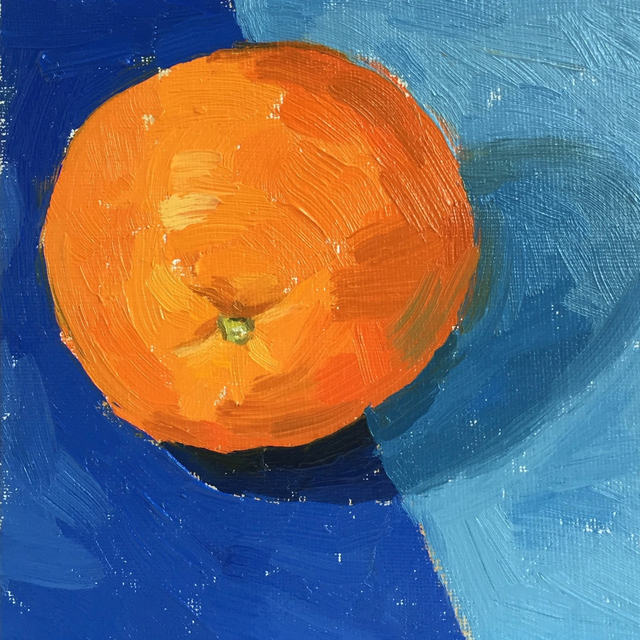
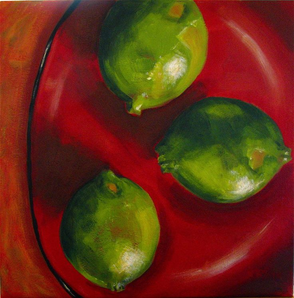
Complementary colors are colors that are opposite each other on the color wheel.
Examples:
- blue and orange
- red and green
- yellow and purple
Such a color contrast creates a very strong visual tension in the painting.
3. Silhouette contrast
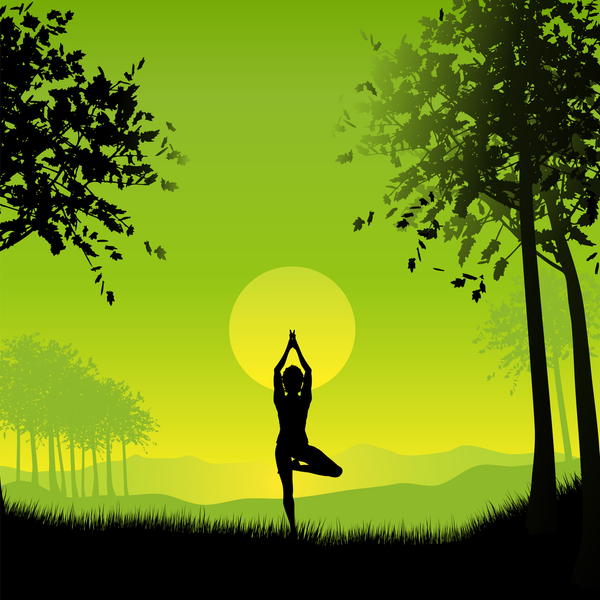
In the silhouette exercise, the object is depicted only as dark shape on a light background.
Rules:
- without details
- just the form
- focus on composition
If the silhouette is interesting, then the composition will also be strong.
4. Three-tone painting
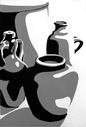
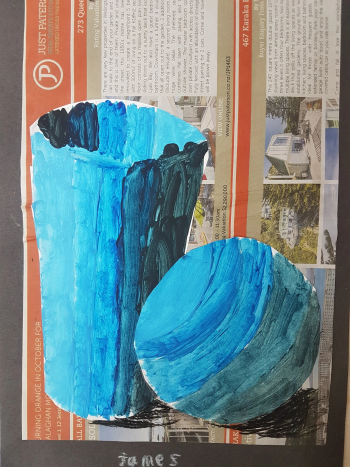
This is one of the most effective academic exercises.
Only three shades are allowed:
- white
- medium tone
- black
This helps develop the ability to simplify form and see the composition at the level of the large mass.
5. Contrast of warm and cold colors
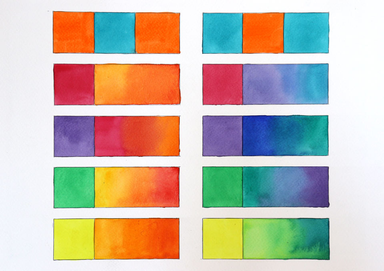
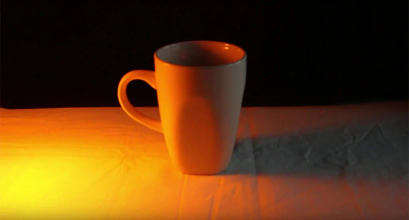
Color temperature also creates contrast.
Good exercise:
- use warm tones in lighting
- use cool tones in the shadows
This helps create a sense of space and light in the painting.
How to develop a sense of contrast faster?
To develop contrast perception, it is important to:
- to paint from nature regularly
- to analyze the works of the old masters
- to make tonal sketches
- work with a limited color palette
The more an artist trains his eye, the better he is able to control the contrast in his painting.
Painting classes in Riga
If you want to practice color and tonal contrast, Paint&Progress studio in Riga offers painting classes for both beginners and experienced artists.
The lessons cover:
- color mixing principles
- tonal painting
- composition
- light and shadow analysis